Chambers St Locksmith Corp Service Team
Local locksmith team
Jun 15, 2026 11 min read
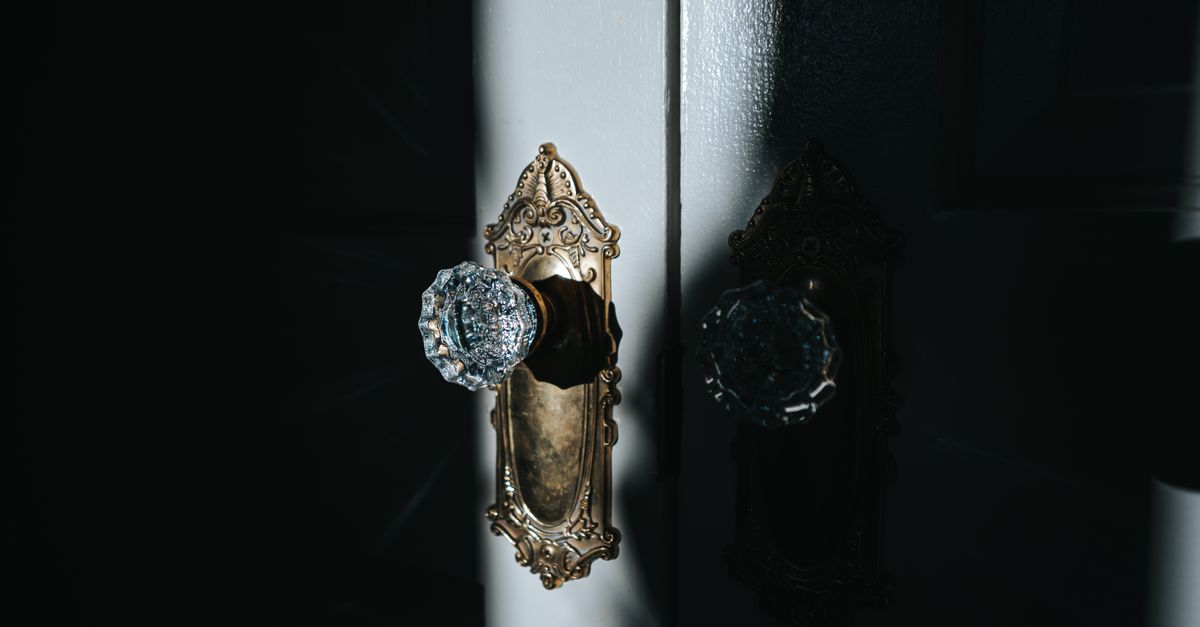
If you've ever moved into a pre-war Manhattan apartment or a Brooklyn brownstone and stared at the chunky rectangular hardware on your front door, wondering why it looks nothing like the simple knob-and-deadbolt setup at your last place — you've already met a mortise lock. These locks are quietly everywhere in New York City, embedded in millions of doors from the Upper West Side to Carroll Gardens, and most residents have no idea how they actually work, what makes them different, or why building owners keep choosing them decade after decade.
At Chambers St Locksmith Corp, our mobile team services mortise locks across all five boroughs every single day — from routine cylinder replacements in Tribeca walk-ups to emergency lockouts on ornate brownstone doors in Harlem. This guide breaks down exactly what a mortise lock is, how it differs from the door knob with lock and key setups you see in newer construction, and why this century-old hardware standard still makes a lot of sense for New York's dense, high-traffic residential buildings.
## What Is a Mortise Lock? (And What's Inside That Big Metal Box)
A mortise lock is a lock mechanism that is installed inside a deep, rectangular pocket — the 'mortise' — cut into the edge of the door itself. Unlike a surface-mounted rim lock or a simple cylindrical lock where the mechanism sits in a bored hole, a mortise lock set houses its full latchbolt, deadbolt, and internal cam assembly inside a steel case that sits flush within the door's thickness. What you see on the face of the door is just the trim: the escutcheon plate, the handle or knob, and the keyhole or cylinder. The real hardware is hidden inside the door, which is a large part of why these locks are so durable and so difficult to defeat without the right key.
The mortise lock cylinder — the removable plug that accepts the key and drives the lock's internal cam — is a separate, replaceable component. This matters a great deal in practice. If a cylinder wears out, gets damaged, or needs to be rekeyed after a tenant change, a skilled locksmith can pull the cylinder and replace it without touching the rest of the lock body. That modular design is one reason you'll find functioning mortise lock sets in New York buildings that have been in continuous use since the 1920s. The underlying case is robust cast iron or steel; the cylinders are swapped as needed over the decades.
## Why Pre-War NYC Buildings and Brownstones Are Full of Mortise Locks
New York City's housing stock is uniquely old by American standards. A significant share of Manhattan's residential buildings — particularly those lining the side streets of the West Village, the grand apartment blocks of the Upper East Side, and the row houses of Bed-Stuy and Park Slope — were constructed between roughly 1880 and 1940. During that era, the mortise lock was simply the industry standard for any quality residential or commercial door. Builders specified them because the thick timber and solid-core doors common in pre-war construction could accommodate the deep pocket cut required, and because the all-in-one lockset offered both a latch (for pulling the door shut) and a deadbolt (for security) in a single elegant unit. Replacing all of that hardware during renovations is expensive and often structurally complicated, so landlords and co-op boards maintain them — and for good reason.
There's also a practical elegance to the design that suits New York's density. In a building where dozens of residents pass through a vestibule door every day, a mortise lock set exterior door installation holds up to that punishment far better than a standard cylindrical lock. The bolt throw is typically longer and more robust, the strike plate engagement is deeper, and the entire assembly is engineered for high-cycle use. Brands like Corbin Russwin and Baldwin became fixtures in New York's building supply ecosystem precisely because their mortise products were built to outlast the buildings themselves — and many have.
## Mortise Lock vs. Standard Door Knob Lock: The Real Differences
If you've rented in a newer building or a suburban home, you're probably more familiar with a cylindrical lockset — the kind where the entire mechanism fits inside a single bored hole through the door face, and a separate bored hole through the door edge. A standard door knob with lock and key of that type is faster and cheaper to install in new construction because it requires no pocket cut, just two round holes. But that simplicity comes with trade-offs: the locking cam, springs, and bolt are all packed into a much smaller housing, which limits throw length and overall robustness. The door's structural integrity around the lock is also less reinforced, since no mortise pocket distributes the load.
A mortise lock, by contrast, engages the door edge across a broader surface area, typically through a full-length faceplate, and the bolt throw can extend an inch or more into a heavy-gauge strike box set deep into the door frame. That geometry makes forced entry significantly harder — which is why building managers in high-traffic NYC neighborhoods still specify them for exterior doors. Interior doors in pre-war apartments sometimes feature a simpler privacy version without a key cylinder, but the front door and vestibule hardware almost always carries the full mortise lock set. If you're unsure what you have, the easiest tell is the shape of the faceplate on the door edge: rectangular and relatively tall equals mortise; small and round equals cylindrical.
## Common Mortise Lock Problems — and When to Call a Professional Locksmith
Because mortise locks are often original to buildings constructed 80 or 100 years ago, they develop specific failure patterns that a homeowner should recognize. The most common issue is a worn or frozen mortise lock cylinder: years of use, metal fatigue, and NYC's seasonal temperature swings cause the cylinder plug to bind, making the key difficult to turn or requiring a firm jiggle before the bolt retracts. This is almost always a cylinder replacement job, not a reason to replace the entire lock body. A qualified locksmith can pull the old cylinder, match the keyway, and install a fresh one — often in under an hour — without disturbing the case embedded in your door. A second frequent problem is a sagging latch or deadbolt that no longer aligns with the strike plate. Pre-war doors settle over time as the building shifts; what was a perfect alignment in 1935 can be a quarter-inch off today. The symptom is a bolt that grinds or won't throw fully. This is a strike-plate adjustment or door-hinge correction — not a lock failure — but it's worth having a professional evaluate it rather than forcing the key and damaging the cam. A third scenario our team handles regularly: key breaks off inside the cylinder, a frustrating but straightforward extraction job for an experienced locksmith. Do not attempt to fish it out with tweezers or a pen; you risk pushing the fragment deeper into the keyway and making extraction much harder. If you're facing any of these issues right now, don't wait until the door won't open at all. Call (646) 766-1195 — Chambers St Locksmith Corp is available 24/7 and can dispatch a mobile locksmith to your location across Manhattan, Brooklyn, Queens, the Bronx, and Staten Island.
Beyond repairs, mortise lock upgrades are a smart investment for co-op and condo owners. High-security cylinder upgrades — including pick-resistant, drill-resistant options with restricted keyways — can be installed directly into your existing mortise lock body. You keep the original pre-war hardware aesthetic (important in landmark buildings where exterior alterations are regulated) while significantly improving the security profile of the door. Our team has done exactly this type of work on historic brownstones along Convent Avenue in Hamilton Heights and in landmarked buildings near Chambers Street in Tribeca — neighborhoods where preserving the character of the hardware matters as much as the security upgrade itself.
## Services We Provide — and What Determines Your Final Quote
Chambers St Locksmith Corp is a fully mobile, 24/7 locksmith operation serving all of New York City. Our work spans residential, commercial, and automotive needs, and our team is trained specifically on the wide variety of hardware — including the many generations of mortise lock sets — found across NYC's uniquely varied building stock. Here is a representative list of the specific services we provide: 1. Mortise lock cylinder replacement and rekeying 2. Full mortise lock set installation on exterior doors 3. Mortise lock body repair and latch realignment 4. High-security cylinder upgrades for existing mortise lock bodies 5. Emergency lockout response — residential apartments and brownstones 6. Emergency lockout response — commercial storefronts and offices 7. Key extraction (broken key in lock or ignition) 8. Key duplication for mortise, cylindrical, and tubular locks 9. Master key system design and installation 10. Deadbolt installation and replacement 11. Door knob lock installation and replacement 12. Rim lock and night latch service 13. Electronic and smart lock installation 14. Access control system installation for multi-unit buildings 15. Intercom and buzzer lock integration 16. Commercial-grade door closer and panic bar hardware 17. Mailbox lock replacement 18. Padlock opening and replacement 19. Safe opening and combination changes 20. Automotive lockout service (keys locked in vehicle) 21. Car key cutting and programming 22. Transponder key and key fob replacement 23. Ignition cylinder repair and replacement 24. Lock rekey after tenant change or move-in 25. Security consultation and hardware assessment for residential and commercial properties As for cost: what you'll pay depends on several specific factors — the type and brand of lock or cylinder involved (a standard cylinder swap differs from sourcing parts for a vintage Corbin Russwin mortise lock), the time of day and day of week you call, travel distance to your location, and whether any additional parts or hardware need to be sourced. We always confirm an exact, up-front price with you before any work begins — no surprises on the invoice. Questions like 'how much does an NYC locksmith cost,' 'what is the average call-out fee for a locksmith,' or 'how much does an emergency locksmith cost near me' are best answered with a quick call, because the honest answer is that it depends on your specific situation — and we'd rather give you an accurate number than a vague range that ends up being wrong.
## Frequently Asked Questions About Mortise Locks and NYC Locksmith Services
Frequently asked questions
What is a mortise lock, and how do I know if my NYC apartment has one?+
A mortise lock is a lock mechanism housed inside a rectangular pocket cut into the door's edge, rather than in a simple bored hole. The clearest sign your apartment door has one is the tall, narrow faceplate visible on the door's edge and the large, usually decorative escutcheon plate surrounding the keyhole and handle on the door face. Most pre-war Manhattan apartment buildings and Brooklyn brownstones use them on front and vestibule doors. If your keyhole is a distinctive oval or 'bow-tie' shape rather than a round hole, that's another strong indicator.
Can a locksmith rekey a mortise lock without replacing the whole lock body?+
Yes — and this is one of the biggest advantages of the mortise lock design. The mortise lock cylinder is a separate, removable component. A trained locksmith can pull the existing cylinder, either rekey it to a new key combination or replace it with a new cylinder, and reinstall it in the same lock body. The heavy cast-iron or steel case embedded in your door stays exactly where it is. This makes rekeying after a move-in, a lost key, or a tenant change fast, cost-effective, and non-destructive to the original hardware.
Does New York require a locksmith to have a license, and how do I verify I'm hiring a legitimate professional?+
New York State does regulate the locksmith industry — locksmiths operating in NY are required to register with the state's Division of Licensing Services. Always ask any locksmith you call whether they are registered in New York and can provide documentation if requested. At Chambers St Locksmith Corp, our team is trained, experienced, and insured, and we operate transparently: we confirm pricing before starting any work and we carry the tools and knowledge to service the full range of NYC hardware, including vintage mortise lock sets found in pre-war buildings. If you ever want to verify a locksmith's registration status, the New York State Division of Licensing Services maintains a public database.
My key is getting harder to turn in my mortise lock — is that an emergency, or can it wait?+
It's worth addressing sooner rather than later. A binding mortise lock cylinder that requires extra force to turn is usually telling you the cylinder's internal pins are worn, the keyway has debris or corrosion buildup, or the cylinder itself is beginning to fail. If you ignore it, the key can eventually stop working entirely — or snap off inside the lock, which is a more involved (and more urgent) service call. A trained locksmith can inspect the cylinder, clean it, and determine whether a simple servicing will extend its life or whether a cylinder replacement is the smarter call. Given how common lockouts are on cold winter nights in NYC when metal contracts and binds further, catching the problem early is genuinely worth it. Call (646) 766-1195 any time — we're available 24/7.