Why Keys Break — and Why It Matters for Extraction
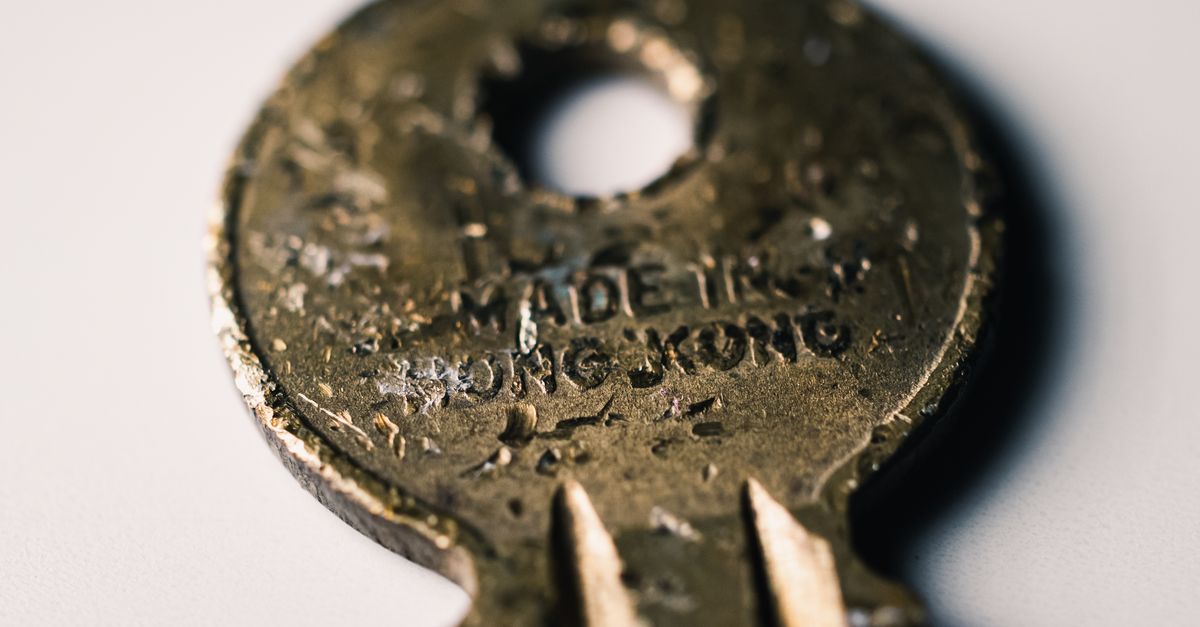
Keys fail for a handful of predictable reasons, and understanding them helps explain why professional extraction is almost always the right call. Worn, duplicated-too-many-times keys develop micro-fractures along the blade long before the break is visible to the eye. Mortise lock cylinders — the deep, rectangular lock bodies common in New York City's older commercial and residential buildings — place particular lateral stress on keys because the cam mechanism rotates inside a tight housing. When a worn key meets that rotational resistance, especially in cold weather when metal contracts, a clean snap is almost inevitable.
Forcing a partial extraction attempt without the right tools typically pushes the fragment deeper into the keyway, compresses it against the pin stack, or causes the brass to shear into multiple smaller pieces. Each of those outcomes adds time and complexity to the job. Our technicians are trained to assess the fragment's position and material before touching it, choosing the correct hook pick, extractor spiral, or needle-nose technique for that specific lock profile. The goal is always damage-free removal when the lock's condition permits it, preserving the cylinder so you don't need to pay for a replacement you didn't budget for.