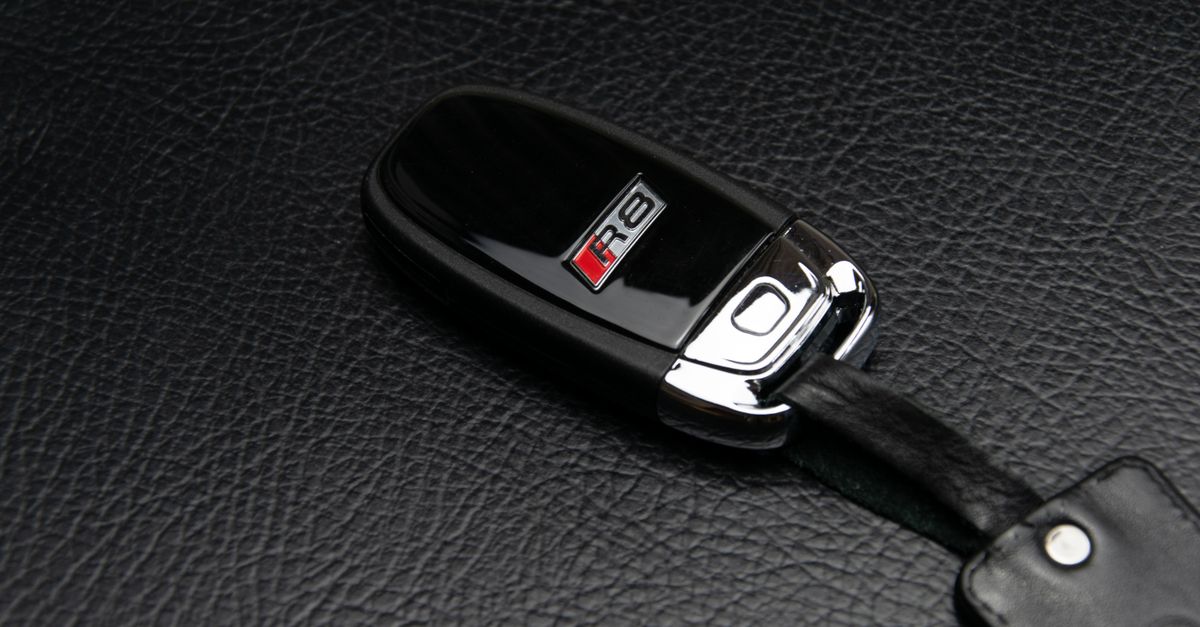
What Makes Audi Key Replacement More Complex Than a Standard Car Key
Audi has consistently been at the leading edge of automotive security, which is excellent news for anti-theft protection but adds real layers of complexity when a key needs to be replaced. Depending on the model year, your Audi may use a basic transponder key (common in models from the late 1990s through the mid-2000s), a flip-style remote key fob (A3, A4, TT, and others from the 2000s and 2010s), or a fully keyless smart key with Audi Advanced Key proximity detection (found across the current A, Q, S, and RS lineups). Each type requires a different cutting profile and, crucially, a different programming process that must be completed with the vehicle's immobilizer system before the engine will start.
Transponder keys carry a microchip that communicates a unique encrypted signal to the car's ECU. If that signal is absent or doesn't match, the immobilizer locks the starter — no hotwiring, no workarounds. Smart keys go further, requiring two-way radio frequency handshakes between the fob and the vehicle's antenna ring. Our technicians use dealer-level diagnostic and programming interfaces to write the new key's ID directly into your Audi's immobilizer module, then test start and lock/unlock cycles on-site before we consider the job complete. This process is done carefully and without forcing any vehicle component, keeping the work damage-free wherever the technology allows.