Why the Mortise Lock Is the Core of Every Commercial Access Control Installation
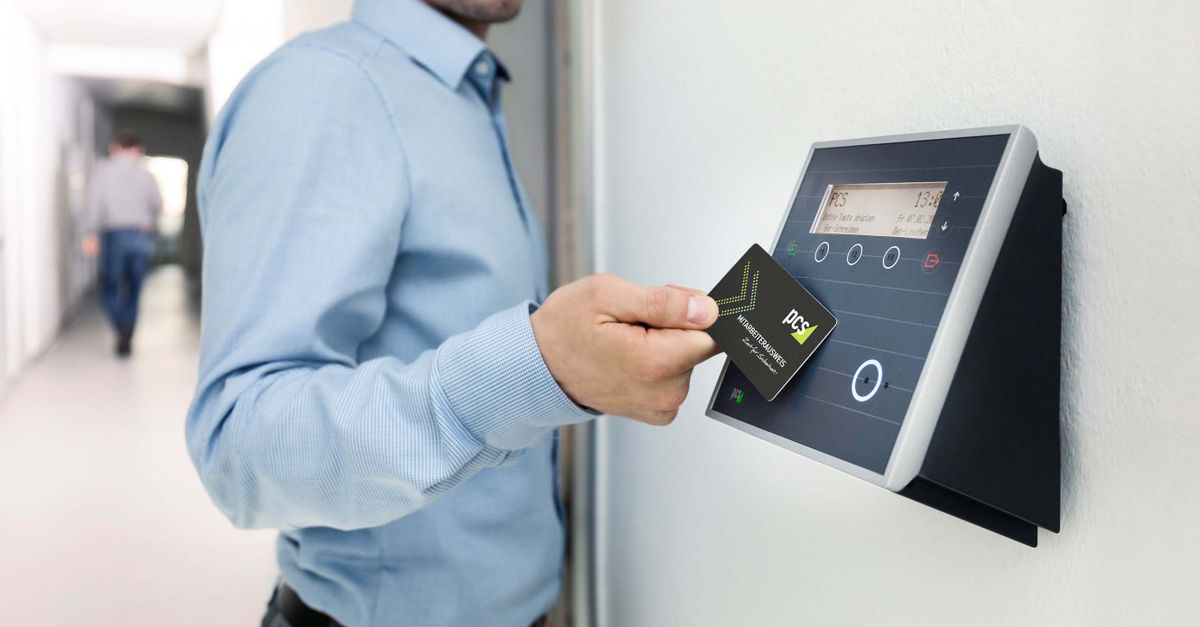
A mortise lock body is machined to sit inside a precisely routed pocket in the door's edge, making it far more resistant to forced entry than a surface-mounted lock. When paired with an electronic access control system, the mortise lock body houses the electrified latch or deadbolt that receives a signal from a card reader, keypad, or fob reader mounted on the door's face. The result is a single, integrated unit that controls both the mechanical and electronic layers of security simultaneously. Our technicians work with mortise-format hardware from manufacturers such as Schlage, Yale, and Dormakaba, selecting the correct trim style, cylinder configuration, and voltage (12V or 24V) to match your door and access control panel requirements.
In older New York City buildings — the kind with thick steel doors, narrow door preps, or non-standard frame dimensions you'll find throughout Lower Manhattan and the outer boroughs — fitting a mortise lock access control unit requires careful measurement and sometimes minor door prep work. Our mobile team carries a full range of mortise lock bodies and faceplates, along with the tools to expand or clean out an existing pocket without damaging the door leaf. We always aim for a damage-free installation, and if any prep work is needed, we explain it clearly and confirm an exact up-front price before a single drill turns.