What Is a Mortise Lock and Why Commercial Doors Need One
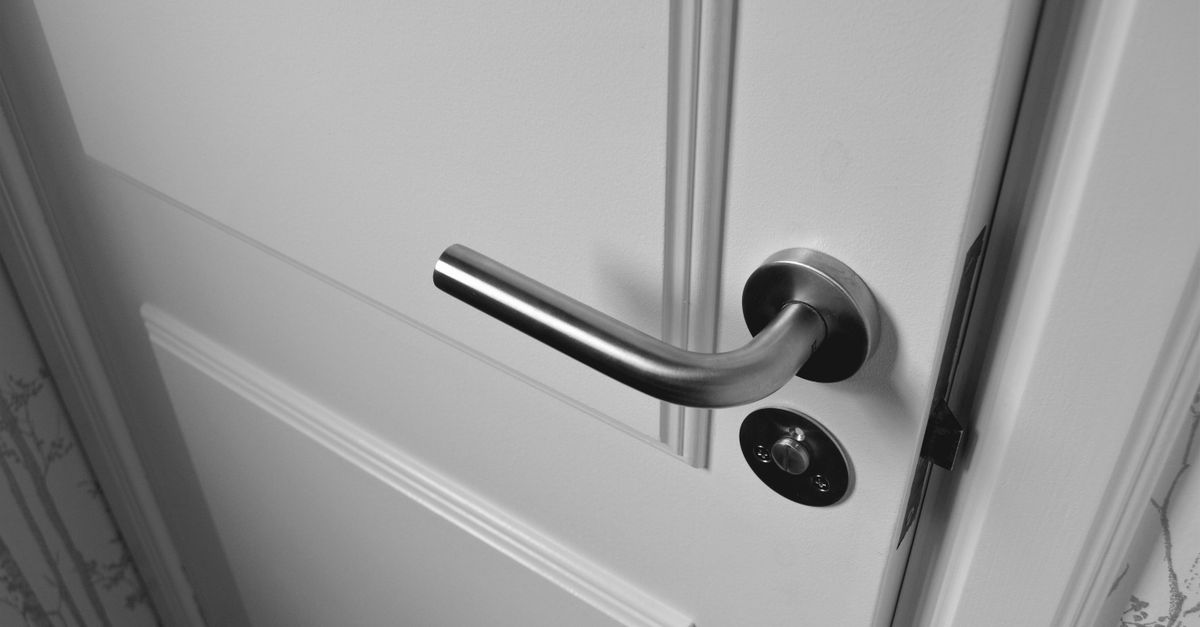
If you've ever grabbed the long lever handle on a New York City bank, hospital, or municipal building door and felt that reassuringly solid click, you've used a mortise lock. Unlike a standard cylindrical bored lock that sits in two shallow holes, a mortise lock set occupies a rectangular pocket (the 'mortise') chiseled deep into the door stave. Inside that pocket lives a complete, self-contained mechanism: a spring latch for everyday entry, a deadbolt for after-hours security, and — depending on the model — a passage, classroom, or storeroom function selected by the lock body itself rather than a separate add-on device. That integration is why mortise hardware is the preferred choice for high-traffic commercial doors: fewer moving parts exposed to the door surface means fewer failure points, and the beefy internal chassis handles millions of cycles without loosening.
For property managers overseeing multi-tenant office buildings on Broadway or retail corridors along Atlantic Avenue in Brooklyn, standardizing on mortise hardware also simplifies key control. A single mortise lock cylinder can be swapped out, rekeyed, or integrated into a master-key system without replacing the entire door prep. Our commercial locksmith technicians carry cylinders and lock bodies from professional-grade manufacturers — including Corbin Russwin mortise lock assemblies and Baldwin mortise lock series hardware — so we can match the existing specification of a building rather than forcing a substitute that leaves mismatched holes or compromised door integrity.